
How to Plan Meals Using Pantry Staples for Easy, Tasty Dinners
Planning meals from pantry staples is a smart way to save time, reduce food waste, and create delicious home-cooked dishes without last-minute trips to the store. Whether you’re working with a well-stocked pantry or just starting to build one, knowing how to plan meals around what you already have can make cooking easier and more enjoyable. In this post, we’ll guide you through the process of meal planning using pantry staples, with tips on organizing your pantry, choosing ingredients, and simple recipe ideas.
Why Plan Meals from Pantry Staples?
Before diving into how to plan meals from pantry staples, it helps to understand why it’s worth the effort:
– Saves Time: Knowing what’s in your pantry means fewer grocery trips and less time deciding what to cook.
– Reduces Waste: Using pantry items efficiently helps prevent food from spoiling or being forgotten.
– Saves Money: Using what you already have cuts down on extra grocery purchases.
– Encourages Creativity: It challenges you to try new recipes and flavor combinations.
Step 1: Organize Your Pantry
A well-organized pantry is the foundation of successful meal planning. Here’s how to set it up:
Take Stock
Start by emptying your pantry shelves and checking expiry dates. Group similar items together, such as:
– Grains (rice, pasta, quinoa)
– Canned goods (beans, tomatoes, soups)
– Baking essentials (flour, sugar, baking powder)
– Spices and seasonings
– Oils and vinegars
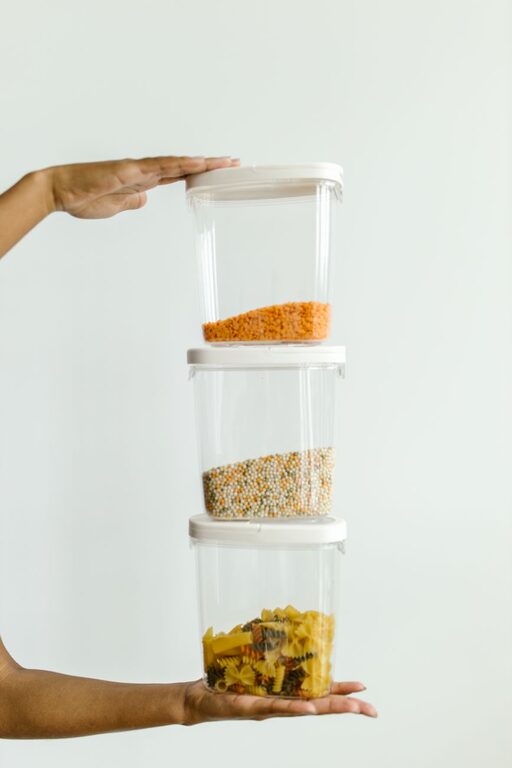
Use Clear Containers
Transfer dry goods like flour, rice, and beans into clear containers. This helps you quickly see how much you have left. Label containers if needed.
Create Zones
Organize items by use or type to save time when cooking. For example, keep all canned goods in one spot and baking supplies in another.
Step 2: Know Your Pantry Staples
Having a list of common pantry staples makes planning easier. Some essentials to keep on hand might include:
– Grains: Rice, pasta, oats, couscous, quinoa
– Canned or Jarred: Tomatoes, beans (black, chickpeas, kidney), corn, tuna, coconut milk
– Baking: Flour, sugar, baking powder, cocoa powder
– Oils & Vinegars: Olive oil, vegetable oil, apple cider vinegar, balsamic vinegar
– Spices: Salt, pepper, garlic powder, chili flakes, cumin, paprika, dried herbs
– Other: Broth or stock cubes, peanut butter, soy sauce, honey or maple syrup
Adjust your staples according to your taste preferences and dietary needs.
Step 3: Plan Meals Around Your Staples
Once your pantry is organized and you know what you have, it’s time to plan meals. Here’s a simple approach:
1. Identify Base Ingredients
Start with a base such as rice, pasta, or beans. These provide the main substance of the meal.
2. Add Protein or Flavor Boosters
Next, add protein sources like canned tuna, beans, or nuts. You can also use flavor boosters like canned tomatoes and spices to create interesting dishes.
3. Incorporate Fresh or Frozen Items
Combine pantry staples with fresh or frozen vegetables for balance and variety. Frozen veggies are great to keep on hand and can be added to almost any dish.
4. Look for Inspiration
Search for simple recipes that rely on pantry staples. Classic examples include:
– Pasta with tomato sauce and canned tuna
– Chickpea stew with spices and rice
– Bean chili with canned tomatoes and chili powder
– Fried rice using leftover rice, soy sauce, and frozen peas
Step 4: Create a Weekly Meal Plan
To make meal planning efficient, map out your week in advance. Here’s how:
– Choose 3-4 main dishes: Pick meals based mostly on pantry staples, mixed with fresh ingredients.
– List ingredients: Write down what you’ll need so you can check your pantry and create a shopping list.
– Prep ahead: Soak beans or cook grains early in the week to save time.
– Be flexible: Swap meals if you find you’re missing an ingredient or if plans change.
Tips for Success
– Keep a running inventory: Maintain a list of pantry items and update it after shopping or cooking.
– Cook in batches: Make larger portions of pantry-based meals and save leftovers for busy days.
– Try new spices: Experimenting with different seasonings can turn the same staples into exciting new dishes.
– Use pantry apps or planners: Several apps help track pantry inventory and suggest recipes.
Sample Pantry-Based Meal Ideas
– Tomato and Bean Soup: Combine canned tomatoes, beans, broth, and spices for a warming soup.
– Peanut Noodle Salad: Use peanut butter, soy sauce, and pasta with fresh veggies for a quick meal.
– Rice and Lentil Bowl: Lentils and rice are a nutritious, affordable base; add spices and any fresh greens.
– Tuna Pasta Bake: Mix canned tuna, pasta, canned corn, and cheese, then bake until bubbly.
Conclusion
Planning meals from pantry staples is an excellent way to create delicious, satisfying dishes without stress. With an organized pantry and a bit of preparation, you can make meal planning more efficient and enjoyable while saving money and reducing food waste. Start by taking stock of your pantry, keep it organized, and use simple recipes that combine staples with fresh ingredients. Over time, you’ll build confidence and creativity in the kitchen, turning your pantry into a reliable source of easy, tasty meals.
