
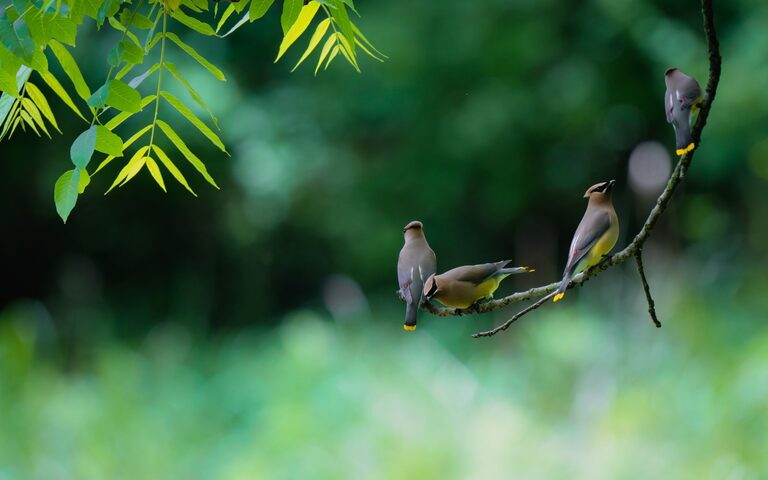
Beginner Tips for Backyard Birdwatching: A Simple Guide to Getting Started
Birdwatching is a relaxing and rewarding hobby that allows you to connect with nature right from your own backyard. If you’re new to birdwatching, this guide will help you get started with simple tips to attract and observe birds effectively. Whether you live in a city or a rural area, backyard birdwatching can be a joyful pastime for all ages.
Why Backyard Birdwatching?
Watching birds at home offers several benefits:
– Convenience: No need to travel; enjoy nature anytime.
– Learning Opportunity: Identify different species and learn about their behavior.
– Mental Wellness: Birdwatching can reduce stress and increase mindfulness.
– Conservation: Supporting local birds helps preserve wildlife habitats.
Getting Started: Essential Equipment
You don’t need expensive gear to begin. Here are some basic tools to enhance your experience:
1. Binoculars
A good pair of binoculars helps you see birds clearly without disturbing them. Look for lightweight and easy-to-use models with 7x to 10x magnification.
2. Field Guide or Bird Identification App
A field guide book or a mobile app will help you identify different bird species by their color, size, and call.
3. Notebook or Bird Journal
Keep notes of the birds you’ve seen, their behaviors, and dates. This practice improves your observation skills and creates lasting memories.
How to Attract Birds to Your Backyard
Creating a bird-friendly environment encourages more birds to visit. Here are some tips:
1. Provide Food
– Bird Feeders: Use feeders suitable for your local birds like tube feeders for small birds or platform feeders for larger species.
– Seeds and Nuts: Black oil sunflower seeds are popular with many birds. Avoid salted or flavored seeds.
– Fruit: Offer slices of apples, oranges, or berries for fruit-eating birds.
2. Supply Fresh Water
Birds need water for drinking and bathing. A shallow birdbath or a small water feature with moving water attracts more birds.
3. Create Shelter
Birds need places to rest and hide from predators. Plant native shrubs, trees, or provide birdhouses suitable for local species.
4. Avoid Pesticides
Using chemicals can harm birds and their food sources. Opt for natural gardening methods instead.
Best Practices for Watching Birds
1. Be Patient and Quiet
Birds are easily startled by sudden movements or noises. Find a comfortable spot where you can observe without disturbing them.
2. Observe at Different Times
Different bird species are active at various times of the day. Early mornings and late afternoons are often the best times for birdwatching.
3. Use Natural Light to Your Advantage
Bright sunlight helps you see details clearly, but avoid harsh midday light which can cause shadows and glare.
4. Respect Wildlife
Never touch or chase the birds. Keep a safe distance, especially during nesting season to avoid causing stress.
Identifying Birds Made Easy
Learning to identify birds can be fun and rewarding. Focus on the following features:
– Size and Shape: Is the bird small like a sparrow, or large like a crow?
– Color Patterns: Look for distinctive markings on wings, head, and tail.
– Beak Shape: Different beaks indicate diet types.
– Behavior: Note how the bird moves or feeds.
– Sounds: Birdsong and calls are unique identifiers.
Enjoying Birdwatching Year-Round
Bird species change with seasons. In spring and summer, you might see nesting and breeding behaviors, while fall and winter bring migratory visitors. Keep your feeders stocked and water available even in colder months.
Troubleshooting Common Challenges
– No Birds Visiting? Check your feeder types and placement. Try different seeds or move your feeders to quieter spots.
– Squirrels or Unwanted Wildlife? Use squirrel-proof feeders or add baffles to poles.
– Planting for Birds Doesn’t Work? Choose native plants adapted to your region for better results.
Final Thoughts
Backyard birdwatching is an accessible, enjoyable way to connect with nature. By setting up a welcoming environment and learning to observe patiently, you’ll quickly find yourself appreciating the beauty and diversity of the birds visiting your yard. Happy birdwatching!
