
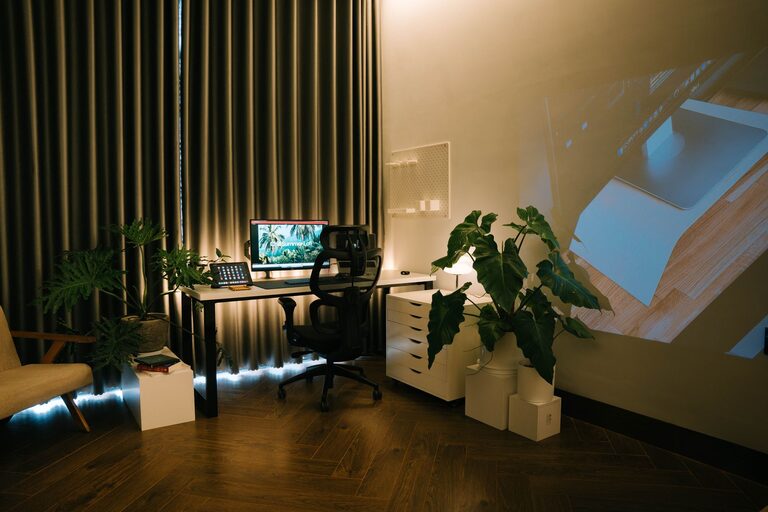
How to Create a Relaxing Home Workspace for Better Focus
Creating a relaxing home workspace is essential for maintaining productivity and reducing stress while working from home. A well-designed workspace not only supports focus but also helps you feel calm and motivated. Whether you have a dedicated room or just a small corner, you can create an environment that promotes relaxation and efficiency.
Why a Relaxing Workspace Matters
Working from home blends personal and professional life, which can sometimes lead to distractions and stress. A relaxing workspace helps to:
– Improve concentration
– Reduce stress levels
– Boost creativity and productivity
– Establish a clear boundary between work and personal life
With these benefits in mind, let’s explore practical ways to design a workspace that feels both calm and professional.
Choose the Right Location
Your workspace location plays a big role in your comfort and ability to focus.
Find a Quiet Spot
Select an area with minimal noise, away from household traffic. If possible, choose a separate room or a quiet corner. This helps you mentally separate work time from leisure.
Consider Natural Light
Natural light enhances mood and reduces eye strain. Position your desk near a window to enjoy daylight. If this isn’t an option, use soft, warm lighting to create a welcoming atmosphere.
Comfortable and Ergonomic Furniture
Comfort is key to staying relaxed and avoiding physical discomfort during long work hours.
Invest in a Quality Chair
Choose an adjustable chair that supports good posture. Look for features like lumbar support and adjustable height to reduce back and neck strain.
Use a Desk at the Right Height
Your desk should allow your elbows to bend at about a 90-degree angle when typing. This prevents wrist and shoulder tension.
Add a Footrest if Needed
If your feet don’t rest comfortably on the floor, a footrest can improve circulation and reduce fatigue.
Keep It Organized and Clutter-Free
A tidy workspace helps minimize distractions and makes it easier to focus.
Use Storage Solutions
Incorporate shelves, drawers, and containers to keep supplies organized. Label boxes or folders for quick access.
Limit Desk Items
Keep only essential items on your desktop. A clean surface encourages a clear mind.
Regularly Declutter
Set aside time each week to tidy your workspace. Remove unnecessary papers and items.
Bring in Soothing Elements
Incorporating calming features can make your workspace a pleasant place to spend time.
Add Plants
Indoor plants improve air quality and create a sense of tranquility. Easy-care options like succulents or pothos are great choices.
Use Calming Colors
Soft, neutral colors such as light blues, greens, or beige promote relaxation. Consider adding these colors through paint, accessories, or artwork.
Play Gentle Music or White Noise
Background sounds like instrumental music or nature sounds can block distractions and create a peaceful ambiance.
Set Boundaries and Personalize Your Space
Your workspace should reflect both professionalism and your personality.
Define Work Hours
Establish a routine by setting specific work hours. Use visual cues like closing a door or switching on a desk lamp to signal the start and end of your workday.
Personalize Without Overcrowding
Add personal items such as photos or inspiring quotes, but avoid overcrowding. These touches can boost your mood and motivation.
Manage Technology Effectively
Technology is essential but can also be a source of stress if not managed properly.
Position Screens Correctly
Place your monitor at eye level about an arm’s length away to reduce eye strain and neck pain.
Use Cable Management
Organize cables with clips or sleeves to keep them out of sight and avoid distractions.
Take Regular Breaks
Set reminders to step away from your screen every hour to stretch and rest your eyes.
Incorporate Relaxation Techniques
Integrating small breaks for relaxation enhances your overall well-being.
Practice Deep Breathing
Pause for a few moments to take slow, deep breaths. This can lower stress levels and improve focus.
Stretch or Move
Stand up and stretch or take a short walk to refresh your body and mind.
Use Aromatherapy
Consider a small diffuser with calming scents like lavender or eucalyptus to create a soothing environment.
Conclusion
Creating a relaxing home workspace is about balancing comfort, organization, and personalization. With thoughtful choices in location, furniture, decor, and routines, you can build a space where work feels less like a chore and more like a positive experience. Start by making small adjustments and observe how they improve your focus and well-being throughout the day. A calm and inviting workspace is within your reach—and it can make all the difference in your work-from-home success.
